
Brain & Behavior: Science of Happiness
What is the #1, most important way to assess if autism treatment is working? If you are a parent, it will come as no surprise….Your child’s HAPPINESS.
Webinars provided in partnership with:

ARI’s free autism research and treatment webinars for people with autism, parents, physicians, and other professionals are made possible by generous donor support.

What is the #1, most important way to assess if autism treatment is working? If you are a parent, it will come as no surprise….Your child’s HAPPINESS.

03/07/2019 Presented by Amanda Tami, LPC, BCBA The Johnson Center for Child Health & Development Upcoming Webinar Amanda holds a master’s degree in counseling psychology and has

Learn about emerging research on comorbid anxiety in individuals with autism spectrum disorder (ASD). Certificates of participation are available upon successful completion of a brief knowledge quiz: HERE

Kelly Barnhill, MBA, CN, CCN serves as the Nutrition Coordinator for ARI. She is also Director of the Nutrition Clinic and the Clinical Care Coordinator at the Johnson Center

Tune in to learn about nutritional strategies for addressing anxiety and depression in ASD. Free certificates of participation are available upon successful completion of a

Certificates of participation are available upon successful completion of a brief knowledge quiz: HERE Robert L. Hendren, D.O., is Professor of Psychiatry and Behavioral Science; Director of

Inclusion, Community, and Raising Kids Who Care: Ideas for Raising Community-Minded Kids Published: 11/15/2018 Anissa Ryland is the Executive Director for The Johnson Center for Child Health

Wenn Lawson, Ph.D., discusses gender dysphoria (GD) and how it shapes the lives of many individuals with autism. He outlines a single-minded focus concerning social and cultural

Wenn Lawson, Ph.D., dives into aging and the autism spectrum. Speaking from personal and professional experiences, he discusses memory, movement, sensory profiling, language, and autonomy as they pertain
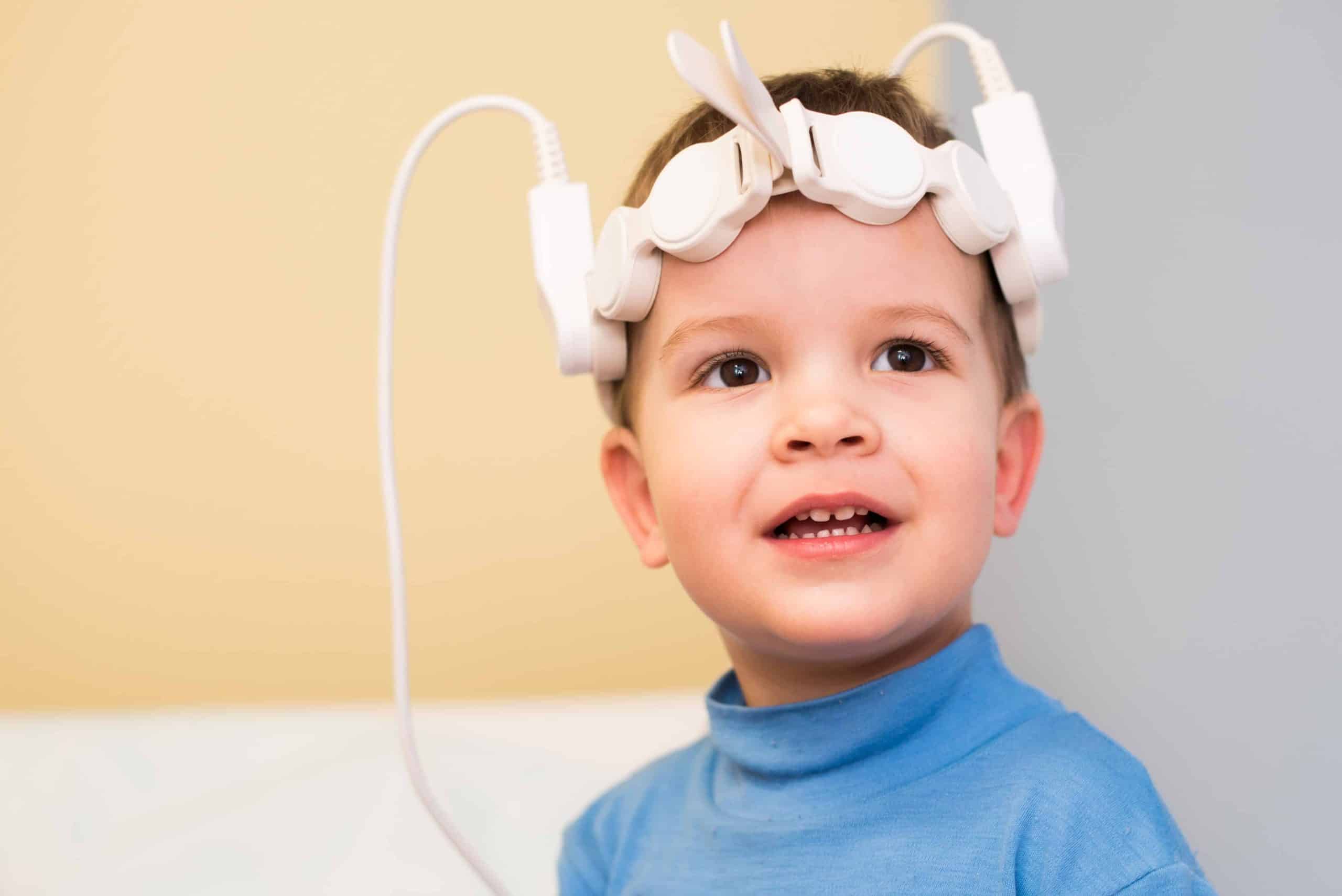
For more than 20 years, researchers have been studying TMS as a potential therapy for a number of neurological and psychiatric conditions. The U.S. Food and Drug